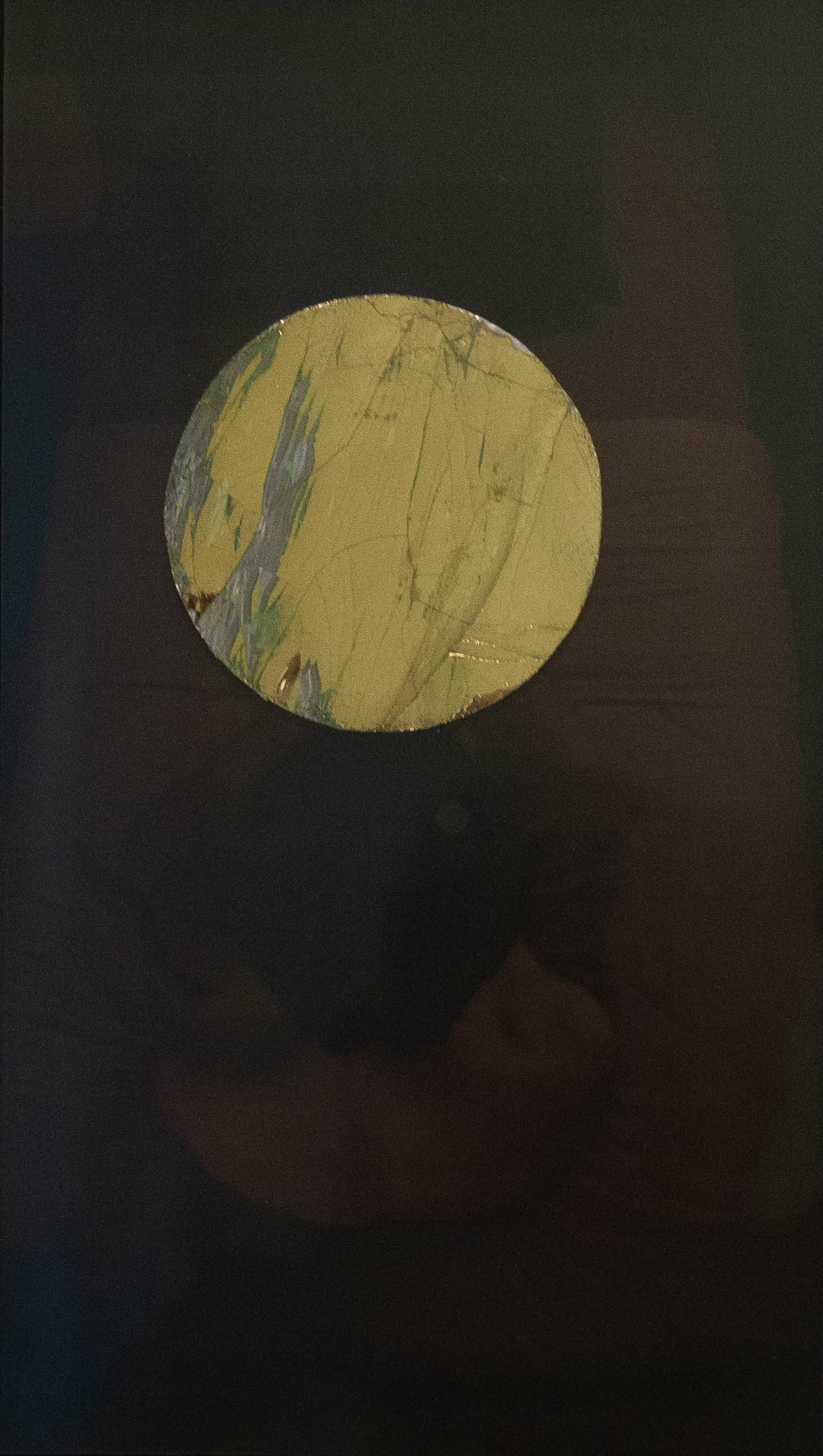
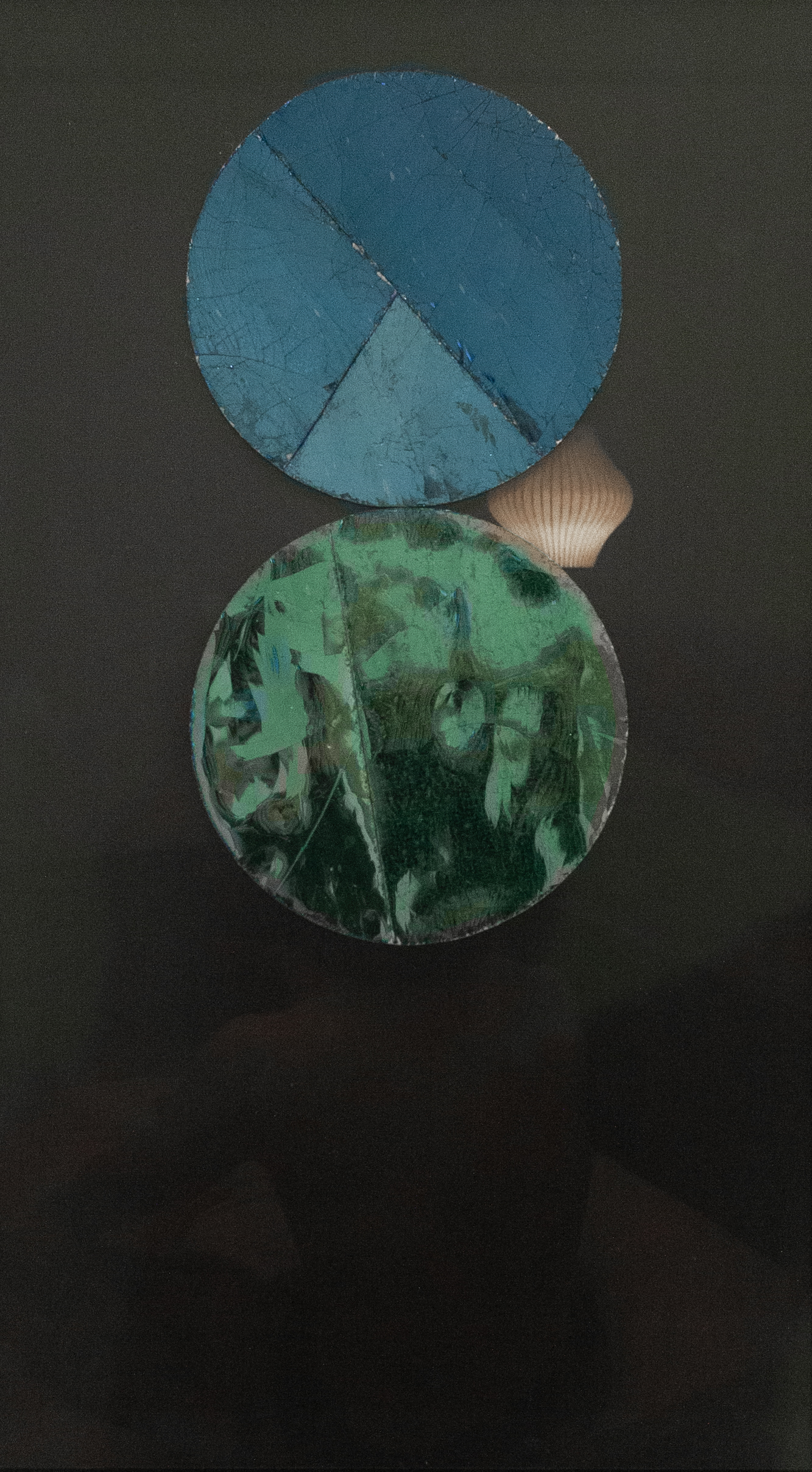
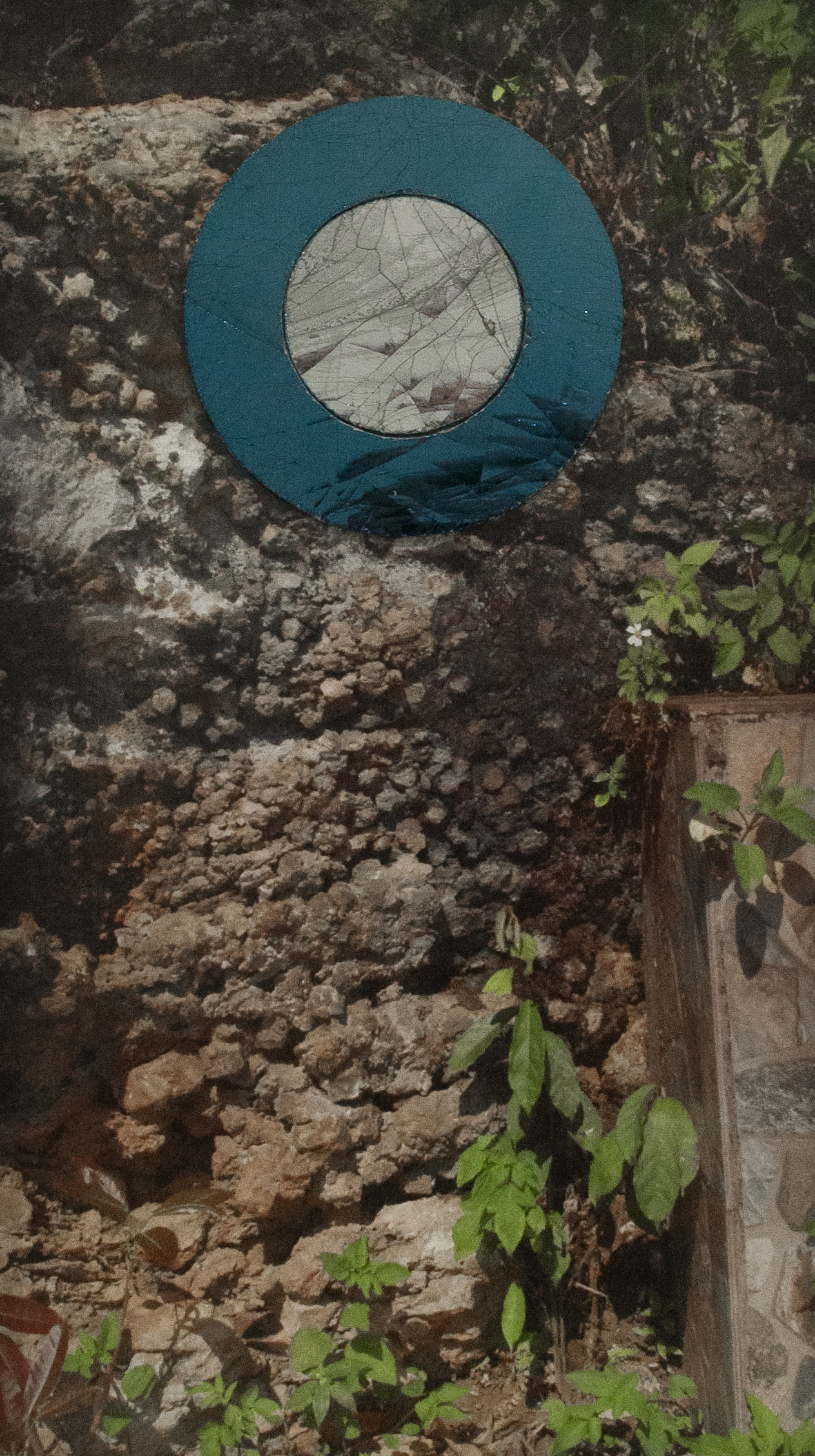
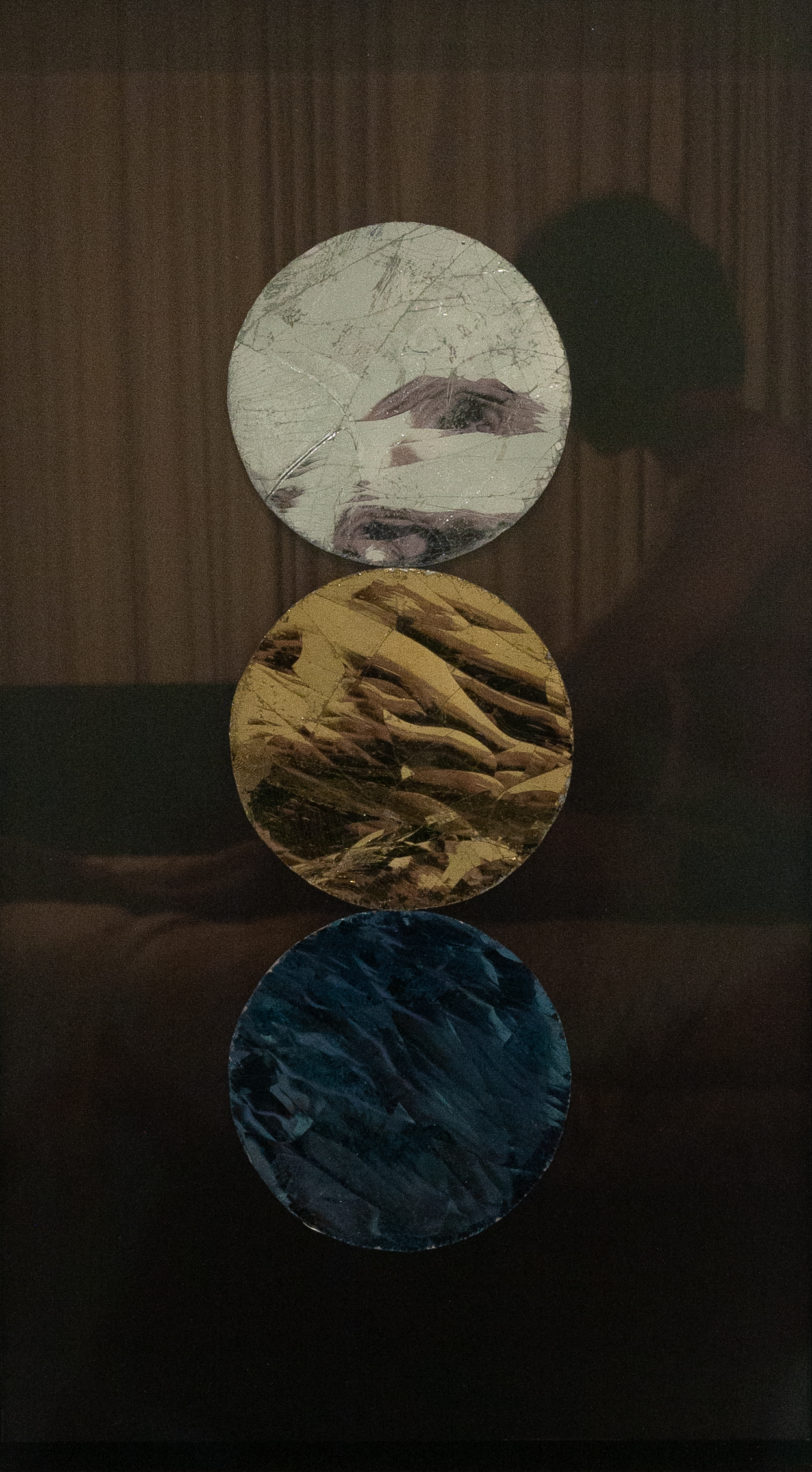
Chitti Kasemkitvatana
Epilogue 01-04, 2026
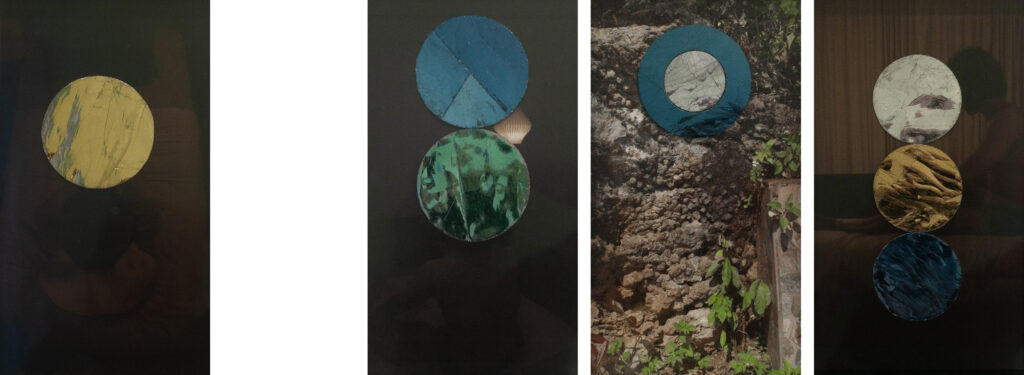
(4) 16.8 × 30 cm
Edition of 3
At the core of Epilogue lies the concept of superposition, which suggests that particles can exist in multiple states simultaneously until they are observed. Chitti adopts this logic as a working method, allowing religious mythologies, histories, personal memories, and scientific imaginaries to entangle without hierarchical ordering. At the same time, light operates as more than a medium, becoming the condition through which these possibilities emerge via processes of dispersion and overlap. What unfolds is a field of potentiality, where contradictions are able to coexist.
Light exceeds its role as a vehicle of visibility. It operates through diffraction, breaking apart the apparent unity of the world. Chitti uses light to reveal that what appears as a seemingly continuous wave is composed of diverse particles and fragments that move, intersect, and refract through one another. His practice thus becomes a form of speculative world-building that does not seek a definitive resolution, but foregrounds processes that remain perpetually open.
Excerpt (slightly edited) from Pathompong Manakitsomboon’s text for Chitti Kasemkitvatana’s exhibition “Epilogue: A Diffraction Grating” at Gallery Seescape, Bangkok, 2026.